MrBeast Says AI Poses a Threat to Creators, Calling It a ‘Scary Time’ for the Industry
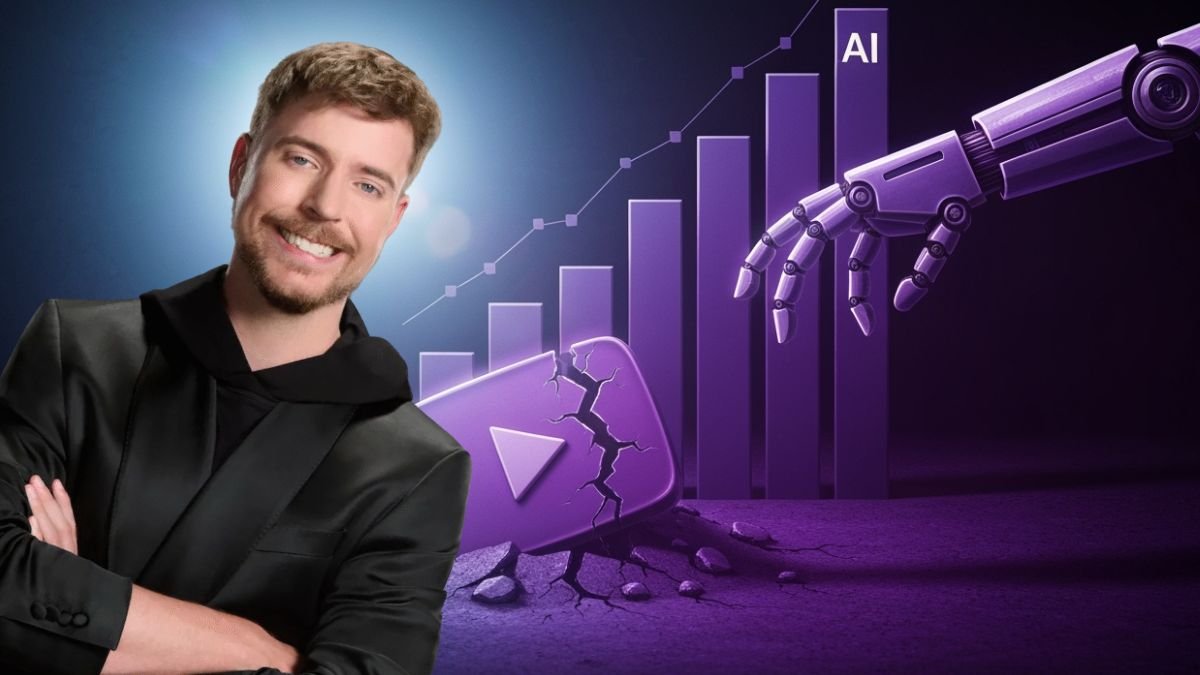
Jimmy Donaldson, the influential personality known as MrBeast, recently shared a significant message. He used a popular social media platform to voice his deep concerns about a new technological wave.
His public post questioned the future for the millions of people who build careers online. Donaldson specifically highlighted the rapid progress in video generation tools. He described the potential impact on the creative industry as profound.
As the top-earning content producer on YouTube, his perspective carries considerable weight. His warning points to a genuine threat to the professional livelihoods of digital creators everywhere. This situation presents what many are calling challenging scary times for the field.
The discussion he started focuses on a critical question. Can human-made artistry compete with advancing technology? The answer will shape the entire online landscape.
MrBeast’s Warning: The Changing Landscape for Creators
The digital creator economy faces a pivotal moment as its most successful figure raises alarms about technological disruption. This discussion reaches far beyond individual concerns.
Background and Industry Influence
Jimmy Donaldson’s position as Forbes’ top-earning content producer carries significant weight. His $85 million annual earnings and 634 million followers give him tremendous influence across the digital landscape.
When such an established figure questions technology’s impact, the entire industry pays attention. His success story has inspired millions of aspiring creators worldwide.
Impact on Small and Emerging Creators
The concerns expressed highlight greater challenges for smaller content producers. Those with limited resources face substantial business risks in this evolving environment.
Emerging creators building their living through content creation encounter mounting pressures. The platform’s growth presents both opportunities and threats to their sustainability.
This situation creates a complex paradox for the creator community. The very tools offering creative assistance may also disrupt established business models.
Emerging AI Tools and Their Impact on Video Creation
Recent technological advancements are reshaping how video content is created and distributed across digital platforms. These innovations offer powerful new capabilities for content producers.
OpenAI’s Sora 2: A New Frontier in AI Videos
OpenAI’s recent launch of Sora 2 represents a significant leap in video generation technology. This new version includes a mobile app that lets users create sophisticated audio and video content.
The app platform allows people to generate videos using simple text prompts. Content appears in a vertical feed format similar to popular social media apps. Rapid growth in downloads pushed this tool to the top of the U.S. App Store shortly after release.
YouTube’s Integration of AI: Features and Innovations
YouTube has embedded extensive artificial intelligence tools throughout its ecosystem. The company’s Veo video model enables creators to animate still photos or apply different styles to existing videos.
New features automatically generate clips from live streams and podcasts. An AI chatbot within YouTube Studio answers technical questions for channel management. Audio podcasters can now create short videos from transcripts with minimal effort.
These tools accelerate content production dramatically. They reduce barriers for new users while changing competitive dynamics for established creators.
MrBeast says AI could threaten creators’ livelihoods, calling it ‘scary times’
The ethical complexities of AI adoption became vividly clear when a high-profile digital entrepreneur encountered community resistance to his own technological innovation.
Controversies: AI Thumbnail Incident and Backlash
This summer, a prominent YouTube personality introduced an automated thumbnail generator on his analytics platform. The tool aimed to help content producers create eye-catching images quickly.
Immediate backlash erupted from both dedicated fans and professional artists. Many viewed the technology as a direct threat to human designers who depend on thumbnail commissions.
The feature was promptly removed from the platform. The creator responded by offering links to human artists available for hire instead.
“I care more than any of you could ever imagine about the YouTube community,”
Ethical and Authenticity Concerns in AI-Generated Content
This incident sparked intense debate across social media platforms. The discussion centers on whether automated tools democratize content creation or devalue skilled artistry.
Many viewers characterize AI-generated videos as low-quality content. They often describe it as “slop” that diminishes human creativity.
Authenticity concerns extend beyond quality issues. Content producers who use automated tools without disclosure risk losing audience trust.
The fundamental tension between technological advancement and creative livelihoods continues without clear resolution. This ongoing debate reflects the challenging landscape facing digital media professionals.
Conclusion
The debate surrounding automated content generation continues to intensify across digital platforms. Industry leaders express genuine concerns about how this technology will reshape creative business models.
Some believe these tools will democratize creativity for millions of people. Others worry they may flood the platform with low-quality content that devalues human work. The fundamental question remains whether the best video content requires human creative vision.
The growth of automated tools presents a significant threat to creative professionals’ living. Their impact on the creative world will depend on how audiences value authenticity. These are challenging times for digital creators navigating this transformation.